
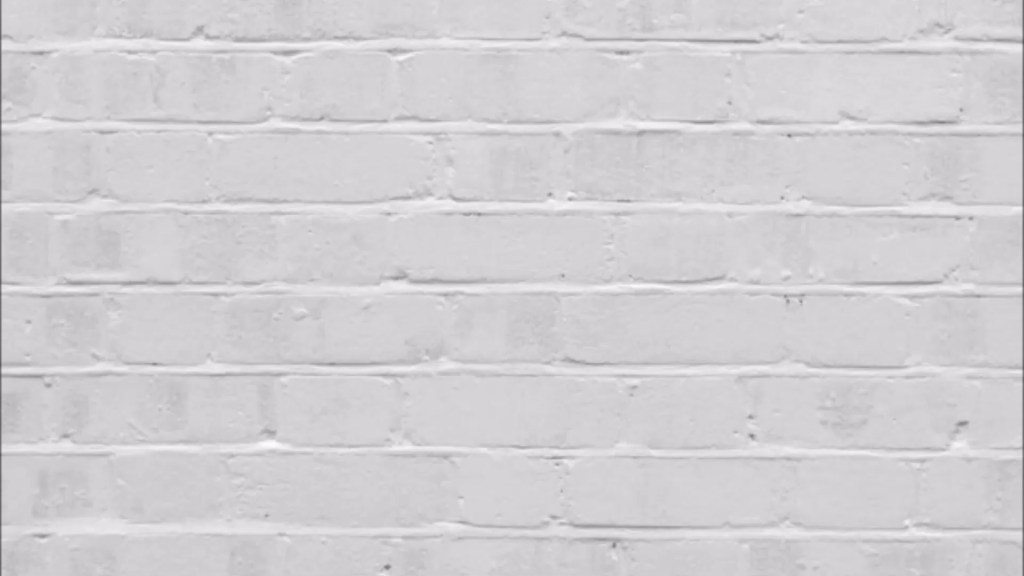
Paint Drying is a film that almost no one has seen. It’s ten hours of a still camera pointing at a brick wall, freshly painted white. Even the film’s creator, Charlie Shackleton, says he hasn’t watched the whole thing. However, some people have sat through the entire duration of the film—a handful of poor souls on the British Board of Film Classification (BBFC).
The rules of that country state that no film can be screened in a British theater until it has received a rating from the BBFC (or an exemption from the local authority). And the BBFC’s time isn’t free—they charge by the minute. For cash-strapped, independent filmmakers like Shackleton, this can be the deciding factor of whether they can afford to release their film at all.
This financial hurdle imposed by the UK—not to mention its broader culture of film censorship—inspired Shackleton to crowdfund the production of Paint Drying, with the film’s duration determined by how much money he could raise. By the end of the campaign, Shackleton had raised enough money to submit a 10-hour cut of the film to the BBFC, which the classification board had no choice but to dutifully watch in its entirety, split over the course of two days.
The BBFC’s conclusion, funnily enough, was to classify the film as containing “no material likely to offend or harm.” This almost feels like their own way of getting back at Shackleton—declaring themselves unoffended by the excruciatingly boring experience to which they had personally been subjected.
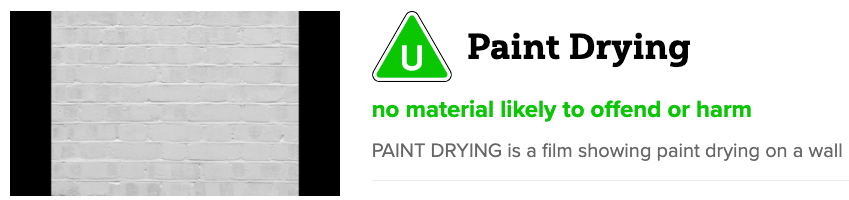
The most interesting aspect about Paint Drying, however, is the phenomenon that arose once it was given an official listing on Letterboxd, the popular social film cataloging service.
Almost none of the over 30,000 Letterboxd reviews of Paint Drying make any mention of the film or the circumstances behind its creation. Instead, users of Letterboxd use Paint Drying as their go-to selection for posting messages to their followers that don’t correspond to an actual film viewing. Users have used it for everything from celebrating milestones on the app to sharing New Year’s resolutions to linking out to finished projects hosted elsewhere on the web. There’s more than one suicide note on there, too. A review of Paint Drying has become a makeshift “Personal Update” button for Letterboxd users, only because the app itself does not offer this feature.
When users circumvent the intended use of a product, it gives UX designers a strong signal as to what kinds of new features the users desperately yearn for. In this case, it would make sense for Letterboxd to add some kind of option to share written messages unmoored to a particular movie or viewing date.
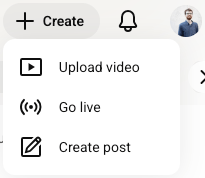
YouTube implemented something similar to this in late 2024, updating the “Upload” button in their interface to say “Create.” This verb change implied that YouTube is now a home for content outside of videos; it can also host livestreams and “posts,” consisting of text, polls, images, etc.
Of course, this is not a minor thing. Changing these words is an act of information architecture—a profound reorienting of the meaning of and intention behind a digital space. It may not actually be in Letterboxd’s best interest to expand the use of their review or diary features to include non-reviews and non-diary entries. For now, it seems like Letterboxd is perfectly content to let Paint Drying survive as an anomaly among their film entries, deliberately misused by users to satisfy a need unexpected by the app’s designers. Letterboxd themselves acknowledged “the Paint Drying community” in a video interview with Charlie Shackleton, the film’s creator.
It feels appropriate that a film that itself exists as an act of protest has given rise to a subversion of the Letterboxd review medium. A film made to challenge classification has become a quiet rebellion against constraint—proof that users will always find ways to make a system speak in the language they need.


 Josh Anderson