

It’s been tough deciding what to watch when there are so many options, so in November I decided that I would try to focus on movies that were watched by everyone’s favorite peanut-farming, one-term President—Jimmy Carter—while he was in the White House. Why him? Well, he actually watched a ton of movies in his four years, and given the time he was in office, many of them are New Hollywood classics that I have been wanting to get around to seeing anyway. The movies I watched as part of that challenge are at the end of this post.
Those aren’t the only movies I watched this month, however. I also got around to seeing one of the most-talked about movies of 2025 when it was re-released on 70mm IMAX, and I caught a screening of one of my favorite so-bad-it’s-good movies with an actor Q&A afterwards.
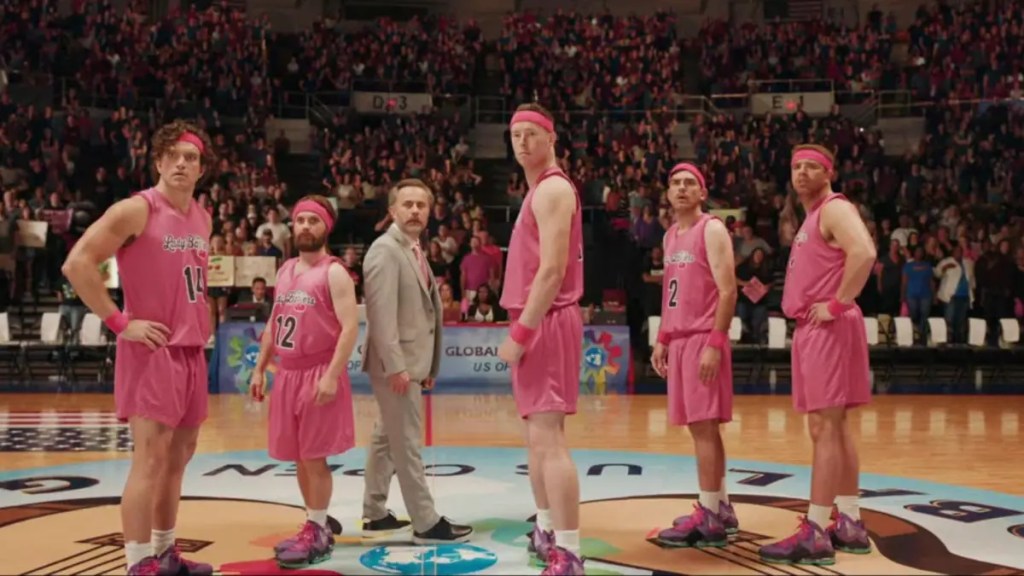
Lady Ballers
United States of America | 2023 | 111m | English
I watched the Daily Wire production Lady Ballers on Discord with the boys; we expected it to be cringe and terrible… and, uh, it certainly was. The funniest part to me was not anything in the script—South Park this is not—but when I looked up the credits and confirmed that Jeremy Boreing wrote the scenes that called for his character to be aggressively seduced. I’m imagining him hunched over his laptop, typing out, “And then she licks my face!”
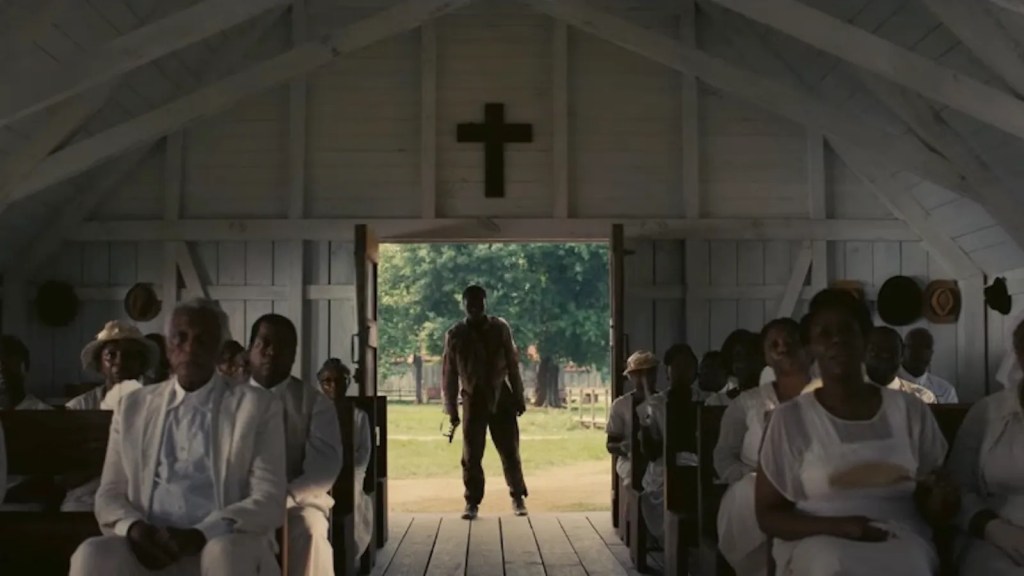
Sinners
United States of America | 2025 | 138m | English, Chinese
Man, One Battle After Another really spoiled me. I didn’t realize how much I would miss the full-screen IMAX ratio for the entirety of a film until watching Sinners, which spends most of its runtime in a letterboxed format. Still, I’m glad I got to take advantage of this limited re-release of the already-limited 70mm IMAX version of the movie. When it goes full screen, it looks amazing—especially since this time I wasn’t stuck way off to the side in the second row from the front, which has historically been for me the only spot left available for these popular 70mm IMAX screenings.
I’m still not entirely sure what I think of Sinners (blues soundtrack aside; that part I loved for sure). The lengthy epilogue casts the story in a more complex light than the simple metaphor I thought the film was settling for, what with its white vampires trying to gain admission to the black ring-a-ding-ding. Sinners is really making a more wide-ranging statement about capitalism, painting it as an unavoidable Faustian bargain in American life. I don’t exactly share the film’s pessimistic attitude toward interracial relationships—both romantic and otherwise. I would probably need to rewatch this carefully to get a better grasp on exactly how defeatist the film is on the concept of racial harmony, but I’m not sure I’m rushing to rewatch this given its rather lengthy, dialogue-heavy set-up.
If nothing else, I greatly appreciate Ryan Coogler for giving us a big-budget, R-rated, original story in an age where major studios are reluctant to fund anything that isn’t some kind of sequel, reboot, or adaptation. Plus, of course, he shot it on 70mm IMAX, which makes it all the cooler. Even if they’re not perfect, more movies like this, please!
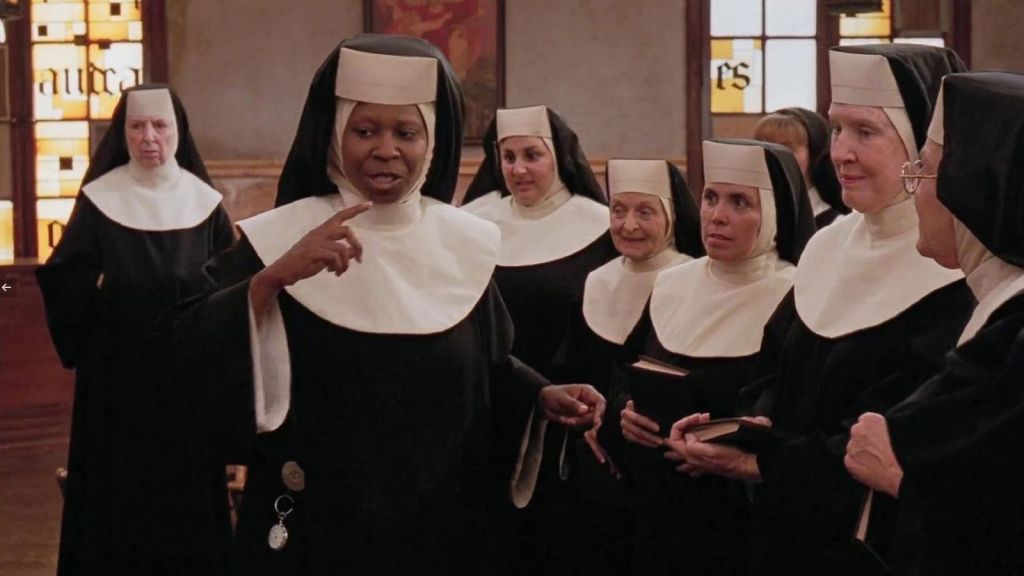
Sister Act
United States of America | 1992 | 100m | English
I felt like a had to squeeze in a viewing of Sister Act before watching the sequel that same night at the TIFF Lightbox. I found it charming and pleasant, even if I was able to more-or-less predict the entire plot from the get-go. If there’s anything to complain about, it might be that the movie plays everything very safe. There seemed to be fertile ground to go deeper into these characters and explore the themes of sin and redemption further, especially with Maggie Smith’s Reverend Mother character. Why not give her more of a past? Why not linger more on the fact that she rejects Deloris literally at face value? I don’t normally ask for movies to be longer, but I think Sister Act could’ve benefited from another 20 minutes or so, if for no other reason than to make the choir’s transformation from terrible to pope-worthy a bit more believable.
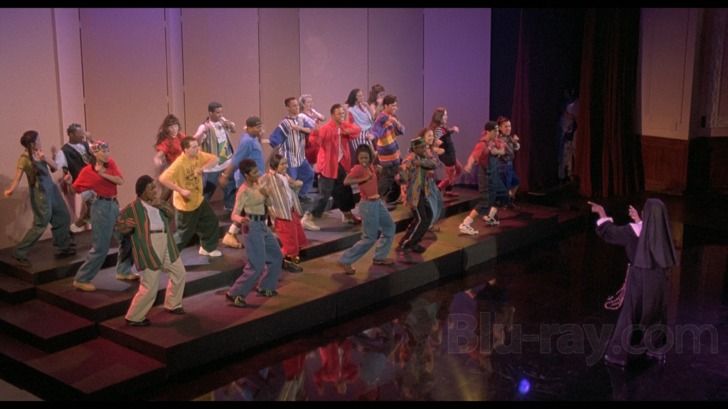
Sister Act 2: Back in the Habit
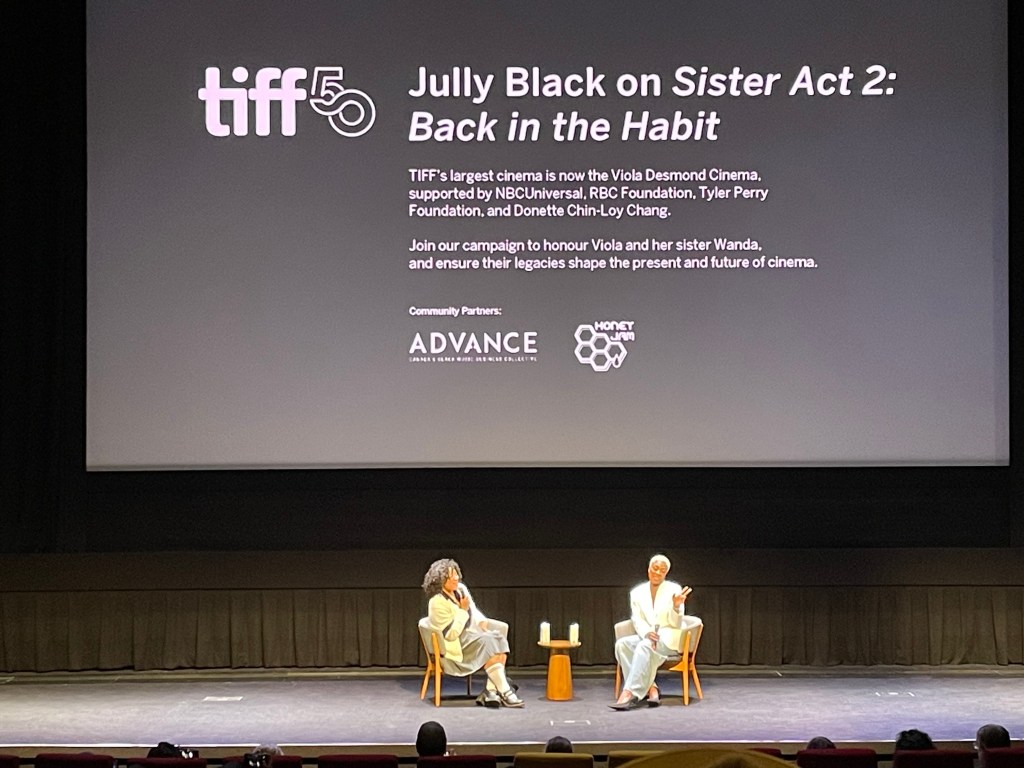
United States of America | 1993 | 107m | English
The sequel to Sister Act continues in the first’s tradition of delivering a pleasant, fun movie that plays everything very safe. Without a mob plot line, the stakes feel noticeably lower. Here, the nun imagery feels completely incidental because there is really no attempt to take advantage of any potential Catholic themes (School of Rock and many other movies have done this same plot without needing this setting) but where Sister Act 2 triumphs over the first movie is in the improved music. It sure helps to have Lauryn Hill in the cast. I loved the very 90s aesthetic of the film, helped by the 35mm projection—complete with an intact trailer for The Lion Ling (“to be continued in 1994”). The ending number is jubilant. Great credits, too!
The screening I attended included a Q&A with the Canadian R&B/Soul singer and songwriter Jully Black.
The Truman Show
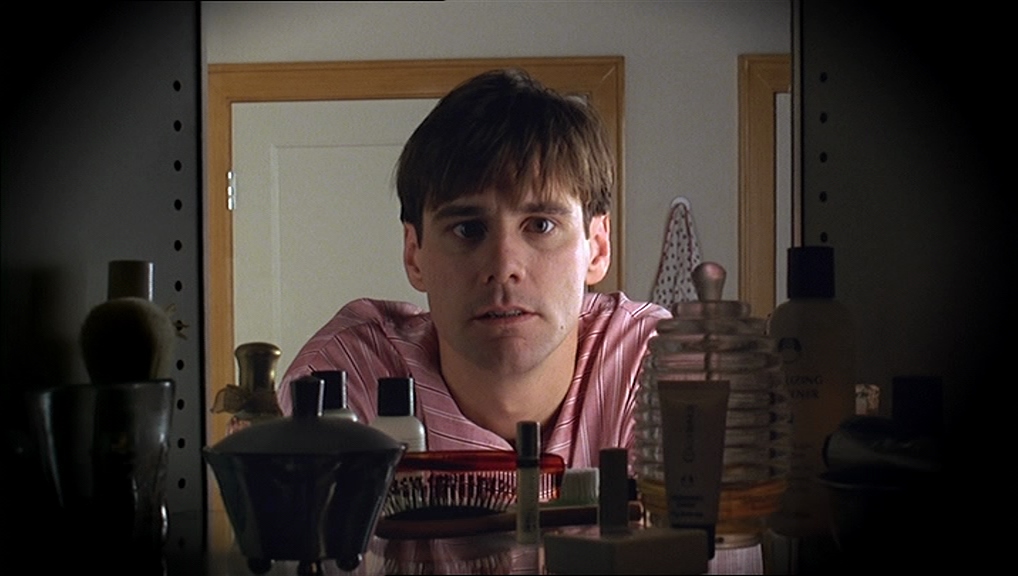
United States of America | 1998 | 107m | English, Spanish, Italian, Japanese
I’ll boost the score a little bit because of the fascinating philosophical undertones and the questions provoked by The Truman Show. I think it stands alongside The Matrix and Groundhog Day in “The Thinking Film Bro’s Canon.” I do think it takes too long to get going and, in my mind at least, it didn’t explore its premise as deeply as it could have. You really gotta suspend your disbelief for this one. I had so many more questions that I wanted answered.
Sentimental Value

Norway, Denmark, Sweden, Turkey, France, Germany, United Kingdom | 2025 | 133m | Danish, English, Norwegian, Swedish
Alright, unpopular opinion time: Jay Kelly did it better. Both that movie and Sentimental Value tell very similar stories of filmmakers who find professional success but neglect their families in the process. Jay Kelly, even as a Netflix film and even as a movie starring the annoying-in-real-life George Clooney, managed to bring tears to my eyes in its poignant conclusion and convey its message with heart, humor, and a good dose of cinematic visual storytelling. Sentimental Value by contrast feels less focused, introduces visual metaphors and then abandons them (e.g., the flaw in the foundation of the home), and plods along with very little in the way of levity.
Maybe there’s some kind of cultural gap because I’m not Scandinavian, but I just didn’t connect with this movie much at all, even though I expected to given its themes. The last couple of scenes really are quite excellent, but it’s too bad that the film says so little given its lengthy runtime leading up to them. (Although the more I think about the ending, the higher my eyebrow raises. I guess if you neglect your children for most of their lives because you’re out making movies, it will all be okay in the end if you make sure that you eventually write one that’s, like, super good.)
You could tune out for a good chunk of the middle of this movie and you wouldn’t miss any of its themes or worthwhile moments. During one of the quietest moments of tonight’s screening, a loud snore rang out from one member of the audience. Instead of feeing annoyed, I felt seen. I must be missing something because this movie was dramatically hyped up during the festival season—Why?
It Was Just an Accident
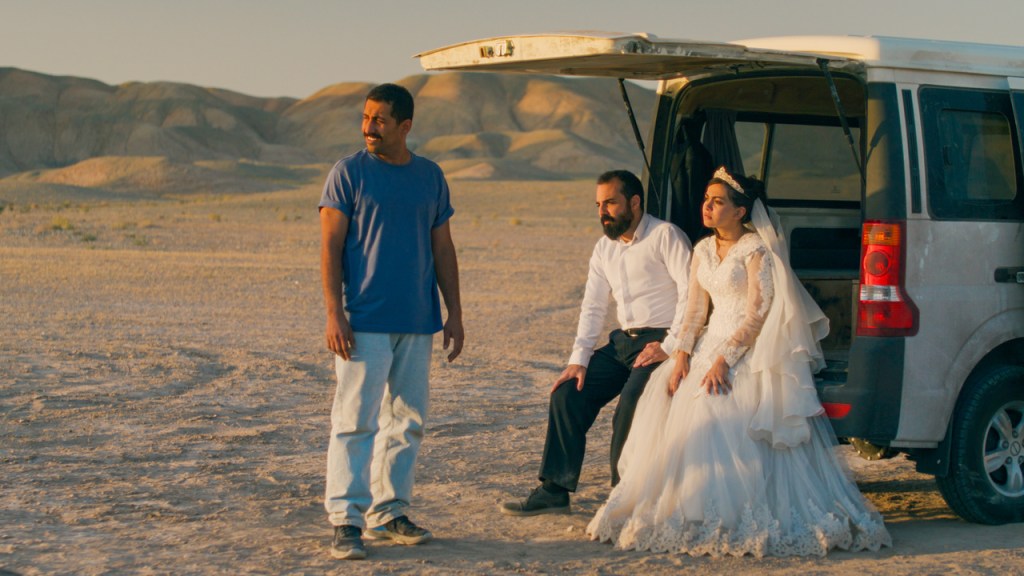
Iran, France, Luxembourg | 2025 | 103m | Farsi, Azerbaijani
Wow, tiny little Theatre 5 at the TIFF Lightbox was packed for a 9:30pm showing of It Was Just an Accident. Like many of the others there, I assume, I didn’t want to miss the chance to see this year’s Palme d’Or winner and overall festival darling. There are a handful of knockout, long-take scenes that elevate this movie from good to great. Knowing about the director’s backstory makes it all the more impactful.
One thing, though: can we please ban boomers from bringing their Apple Watches into the movie theatre? I’m serious. Those things never turn off. I cannot wrap my head around these people’s lack of self-awareness.
The Room
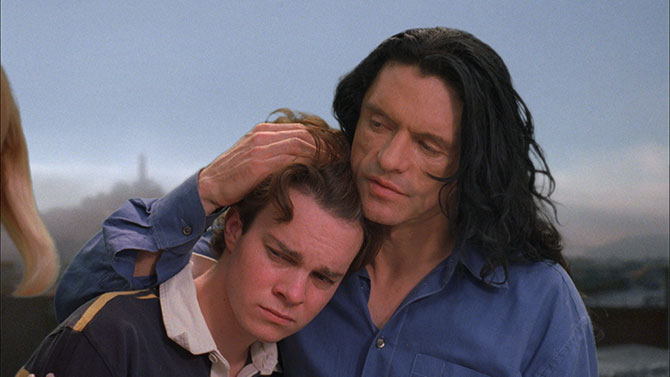
United States of America | 2003 | 100m | English
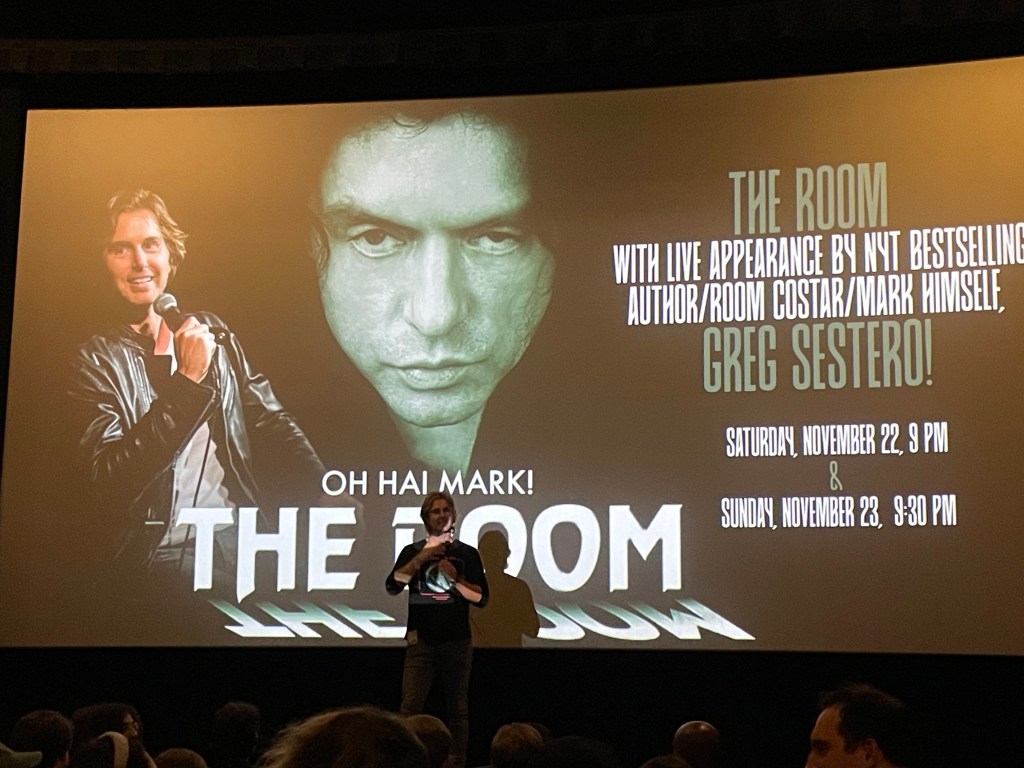
When I assign scores in my reviews, it’s based on my own subjective enjoyment of that particular screening. So yes, of course The Room is a perfect 5. I rewatched it—for the first time in probably ten years—in a theatre with a full crowd of people equipped with spoons and ready to laugh and jeer at every bizarre line of dialogue, unclosed front door, or uncomfortably long sex scene. That’s the ideal way to watch The Room, and it was made all the better by an appearance by Greg Sestero at the end. I could tell Greg has a lot of practice with these Q&As because all his answers were quick and funny. I really think watching The Room in a rowdy late night theatre screening is one of the best experiences available to fans of movies.
“Screened at the Jimmy Carter White House” Challenge
Smokey and the Bandit
United States of America | 1977 | 96m | English
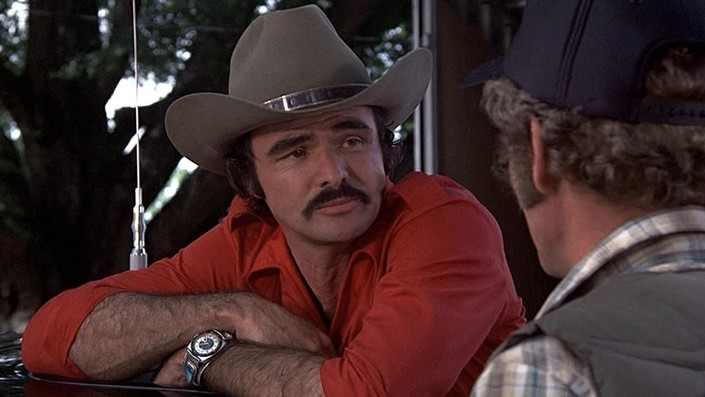
The first entry in this goofy series is Smokey and the Bandit, which was a rollicking good time. I loved Burt Reynolds as the Bandit and of course Jackie Gleason as Buford T. Justice, the scummy sheriff whom he continually outsmarts. It’s a fun movie, but it’s all the more fun imagining Jimmy laughing along with us at Bandit’s total lack of respect for the law.
All About Eve
United States of America | 1950 | 139m | English, French
Showgirls did it better.
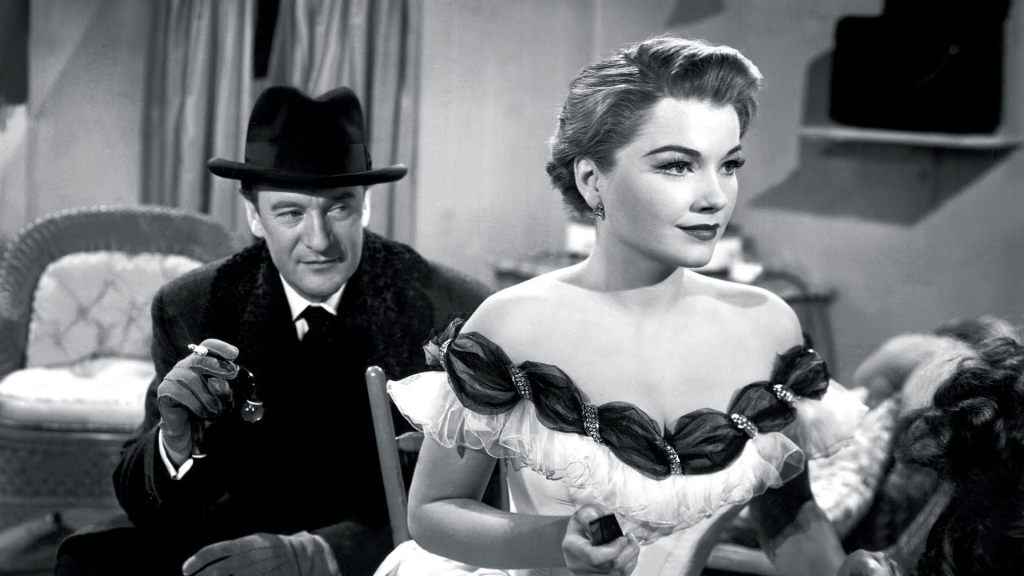
Maybe I just need to watch more movies of this era to get used to it, but this kind of overwritten, unnatural dialogue is very hit-or-miss for me. In Laura, I dug it. Here, for some reason—not so much. I wasn’t alive in this time period but I refuse to believe that even back then all these long, literary lines would have come across as anything other than stilted. I guess that’s what audiences expected back then… When there’s so little that’s interesting happening in the way of cinematography, sound, or visuals, the dialogue needs to carry the weight, but it just didn’t charm me, sorry! After being blown away by the style and creativity of the visual storytelling of The Graduate, going back to Old Hollywood really feels like a downgrade!
All the President’s Men

United States of America | 1976 | 138m | English, Spanish
President Jimmy Carter was sworn into office on January 20, 1977. On January 22, 1977 he logged his first film in the White House theatre: All the President’s Men. It’s probably easy to figure out why — after Watergate, Carter’s whole presidency owed something to the public’s restored faith in the watchdog role of journalism.
Sure, I can admit that All the President’s Men is a competent movie. The cinematography is its strongest aspect: all the shadowy settings reflecting the shadiness of the goings-on in Washington; the faraway establishing shots depicting these journalists as ants compared to the massive, imposing government institutions that they’re going up against. Even at 138 minutes, the film adapts only the first half of the book it’s based on, ending with only telling—not showing—us the most consequential results of Woodward and Bernstein’s journalism. Perhaps the filmmakers wanted to focus on the process rather than the payoff, but for me it made the story feel incomplete, especially given its length.
Are most journalists actually this principled and noble, pursuing the truth above all else? I hope so, but the many partisan, sensational stories I’ve read in major newspapers over the past couple of decades have left me too cynical to swallow this film’s self-congratulatory nature uncritically. Maybe things were different in the 1970s. Maybe major newspapers really did care deeply about confirming their facts above advertising revenue. Maybe the government sources they interviewed really did make “‘non-denial’ denials” instead of simply lie – openly, brazenly, and constantly. I bring all this up just to paint the context for how I approach a story of this nature featuring these kinds of characters. I’m glad I finally watched All the President’s Men but personally I just can’t muster up any deep passion for it; I find it hard to share its faith in the power and integrity of American journalism.
Klute
United States of America | 1971 | 114m | English
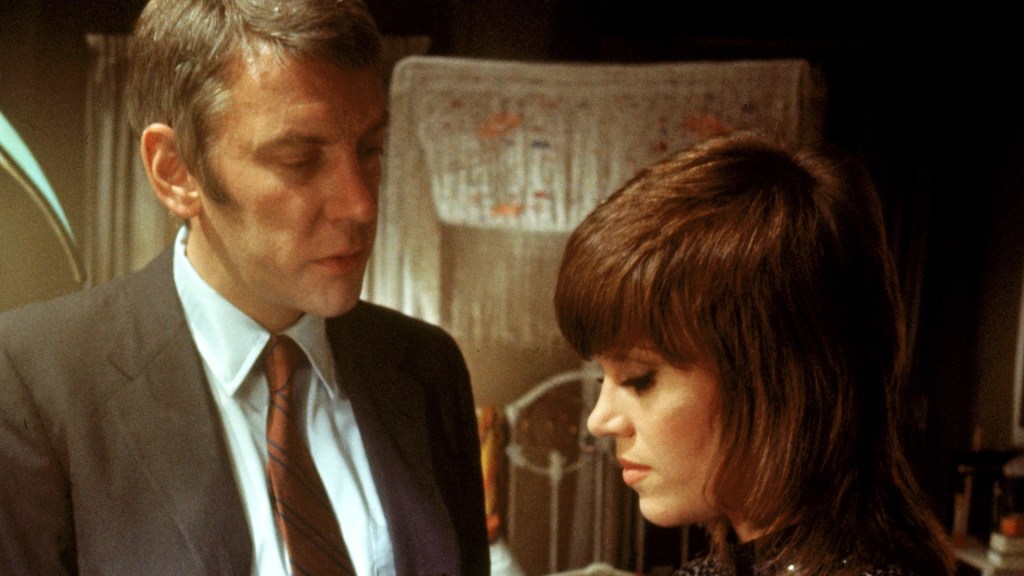
Oof. That’s two for two Alan J. Pakula movies that I’ve found underwhelming. Klute offers a good performance from Hanoi Jane but little else. Really, the movie should have been named after her character because she is the only thing remotely interesting in this snoozer of a flick. (I guess also liked the saxophone number that played during the scene where they buy peaches, and maybe the top-down shots of the ascending elevator.)
Quentin Tarantino referred to this movie as boring in his book Cinema Speculation and he was not kidding. I thought that he may have been saying that it was boring to him when he watched it as a child, but no, even my adult self questioned why I stuck through this to the end. Maybe I need to finally come to terms with the fact that noir films do nothing for me.
Butch Cassidy and the Sundance Kid

United States of America | 1969 | 111m | English, Spanish
Mostly boring. I broke it up into multiple sittings but I was never excited to return to it, finishing it more out of a sense of misplaced obligation than genuine interest. The interaction between the two leads is the highlight. I liked the scene where they try to speak Spanish during the bank robbery; I didn’t like the long sepia-toned photo montage in the middle of the movie. Still not a fan of Westerns, sorry!
Other Movies I Saw as Part of the “Screened at the Jimmy Carter White House” Challenge
- Laura (1944) [4/5]
- The Graduate (1967) [4.5/5]
- The Gold Rush (1925) [4.5/5]
- Nine to Five (1980) [3.5/5]
Other Movies I Saw This Month
- Scary Movie (2000) [3/5]
- Blue Velvet (1986) [4/5]
- Train Dreams (2025) [4/5]
- Jay Kelly (2025) [4/5]
- Sherlock Jr (1924) [3.5/5]
- The General (1926) [3.5/5]
Best Movies I Saw This Month
- The Room
- The Graduate
- The Gold Rush
Worst Movies I Saw This Month
- Lady Ballers
- Klute
- Butch Cassidy and the Sundance Kid


 Josh Anderson